Middle Back Pain
Middle back pain is a common condition that many people experience at some point in their life. It can significantly affect daily comfort, posture, breathing mechanics, and the ability to enjoy work, exercise, and everyday activities. While pain between the shoulder blades or across the rib-cage is the main symptom, the underlying causes vary widely. Which is why proper assessment matters to determine the right management or appropriate referral.
What is it? Well lets break it down.
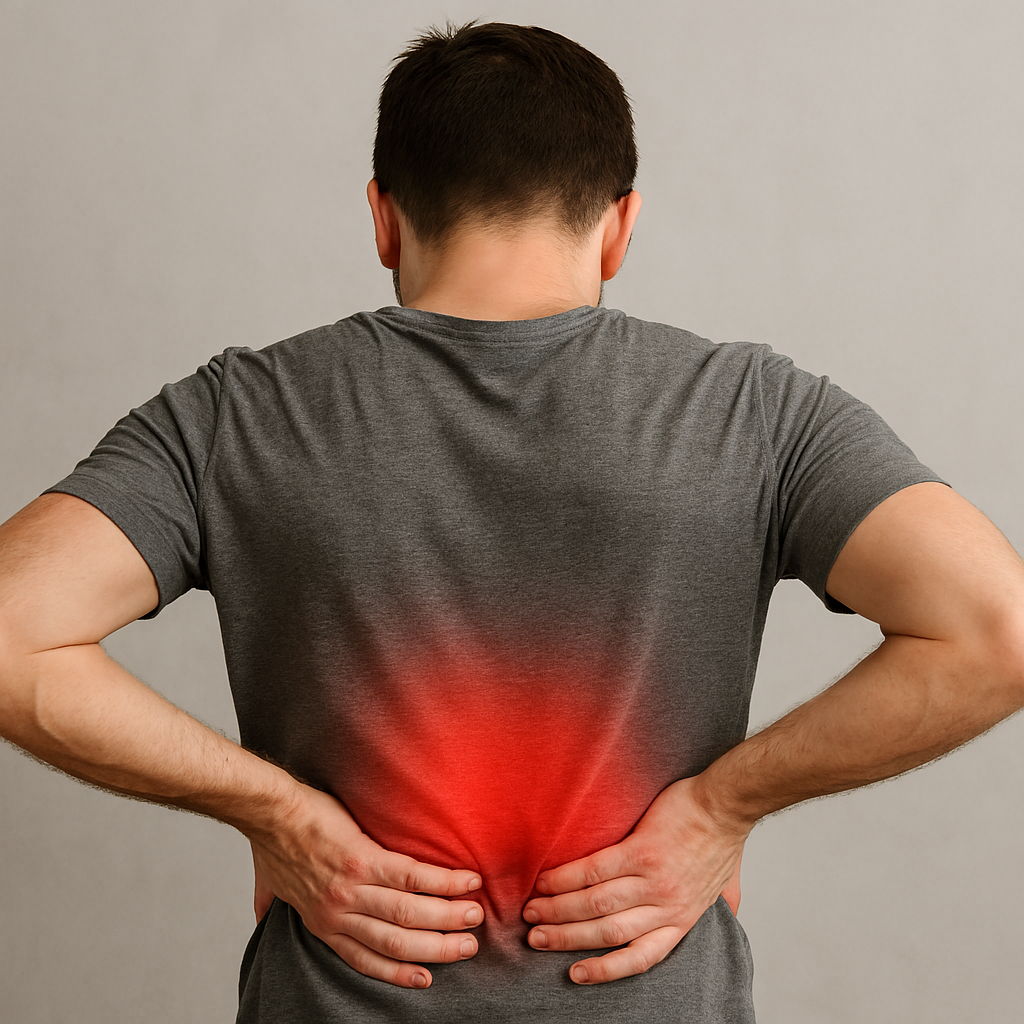
Middle back pain refers to discomfort arising from the thoracic spine, rib joints, muscles, ligaments, or nerve structures in the mid‑back region. Thoracic spine is built for stability and protection for multiple important structures. Those structures are heart, lungs, thymus, aorta, arteries veins, Trachea. vagus nerve, sympathetic trunks and more!!!!
When someone presents with thoracic spine pain, our first priority at Spirit Chiropractic is to ensure the symptoms are not originating from these vital structures. Certain cardiac, respiratory, gastrointestinal, or vascular conditions can refer pain to the mid‑back and may appear similar to mechanical pain at first glance.
Only once we confirm the presentation is not visceral or systemic in origin. We classify it as musculoskeletal typically arising when Joints dysfunction, Muscles fatigue and Postural strain on the thoracic spine and rib joints develop. Movement patterns become restricted
This careful screening ensures that the care we provide addresses the true source of the problem.
Types of Middle Back Pain
Middle back pain can be grouped into mechanical vs non‑mechanical causes.
Mechanical Causes (most common)
Thoracic facet joint irritation
Rib joint dysfunction (costovertebral / costotransverse joints)
Muscle strain or overload
Postural fatigue (desk work, slouching, long sitting)
Thoracic disc irritation
Referred pain from the neck or shoulders
Movement pattern dysfunction
Stress‑related muscle tension
Non‑Mechanical Causes (less common but important to rule out)
Inflammatory conditions
Infection
Visceral referral (e.g., gallbladder, stomach, cardiac)
Fracture (trauma or osteoporosis)
Tumour or systemic disease
For more information on thoracic pain classification, refer to current musculoskeletal and spine guidelines.
Which types presentation can chiropractic care help with?
Here are some of common presentations. Sometimes the symptoms are not purely mechanical or non-mechanical cases. Co-existing of both do present and co-managing with different practitioners is true comprehensive care.
Thoracic Joint Restriction / Facet Irritation
A sharp, localised pain that worsens with twisting, bending, or deep breathing. Often caused by stiffness, awkward lifting, or prolonged posture. Pain may feel “stuck,” “catching,” or “pinching.”
Rib Joint Dysfunction
Pain that wraps around the chest or feels sharp with breathing, coughing, or rotation. Often mistaken for heart or lung pain but typically mechanical in nature.
Muscle Tension & Postural Overload
A dull, aching, tight feeling between the shoulder blades. Common in desk workers, students, and people under stress. Often linked with neck or shoulder tension.
Thoracic Disc Irritation (non‑serious)
Deep, aching pain that may radiate around the ribs. Usually aggravated by sitting, bending, or slouching.
Movement Pattern Dysfunction
Pain caused by poor scapular control, weak mid‑back muscles, or overactive upper traps. Often seen in gym‑goers, manual workers, and people with sedentary jobs.
Signs, Symptoms and Triggers?
Common Symptoms
Aching, tightness, or burning between the shoulder blades
Sharp pain with twisting, reaching, or deep breathing
Stiffness after sitting or working at a desk
Pain that wraps around the ribs or chest
Fatigue through the upper back and shoulders
Discomfort during lifting or overhead work
Common Triggers
Long hours sitting or slouching
Poor workstation setup
Stress and muscle tension
Repetitive lifting or twisting
Weak postural muscles
Sudden awkward movement
Reduced thoracic mobility

Detailed Medical History
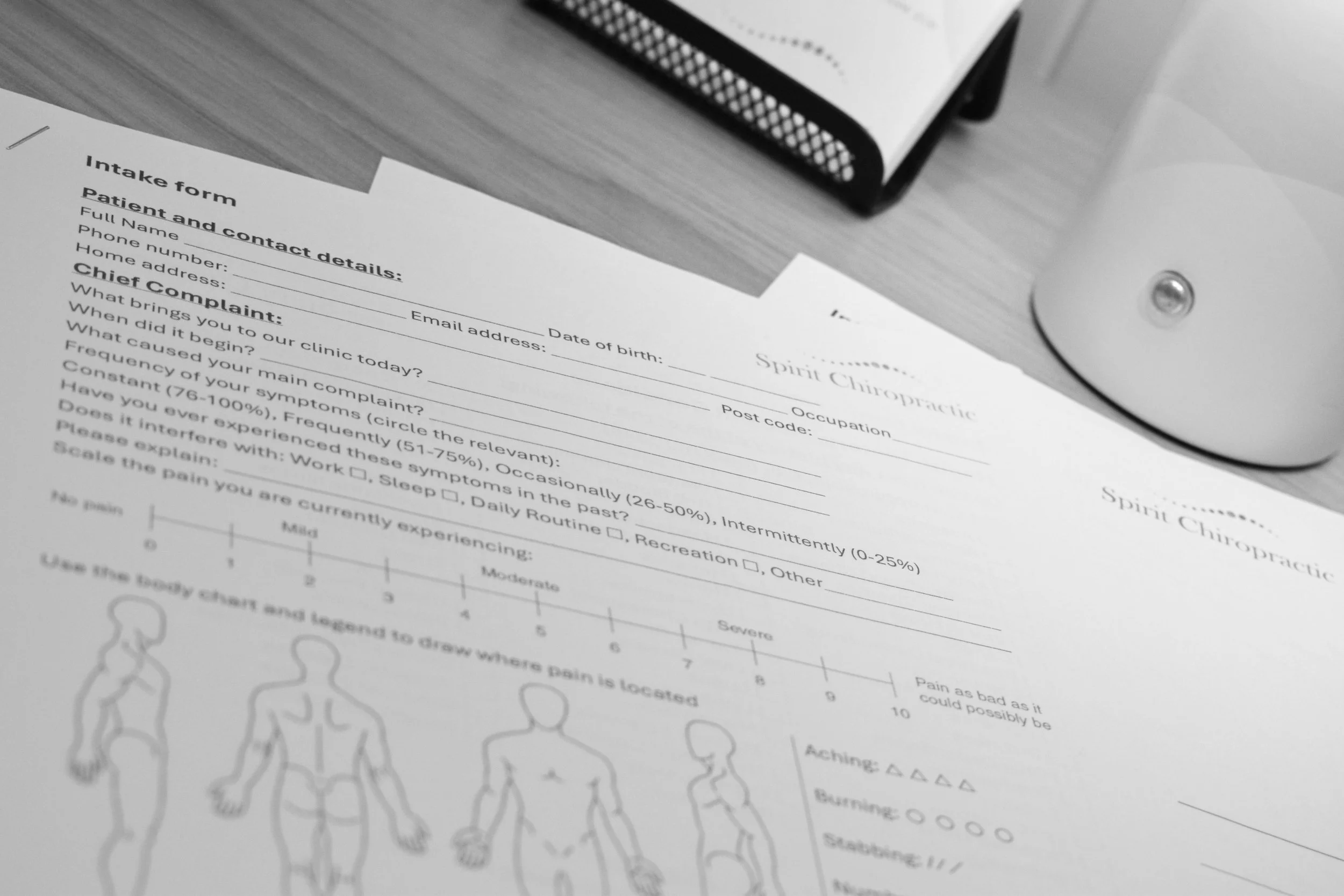
We take time to understand your symptoms, posture, work habits, exercise routine, breathing patterns, stress levels, and previous injuries. This helps us identify the true drivers of your pain.
Screen for Red Flags
Your safety comes first. We screen for signs of non‑mechanical or serious causes of thoracic pain. If anything concerning appears, we’ll explain it clearly and arrange appropriate referral.
Thoracic Spine & Rib Movement Assessment
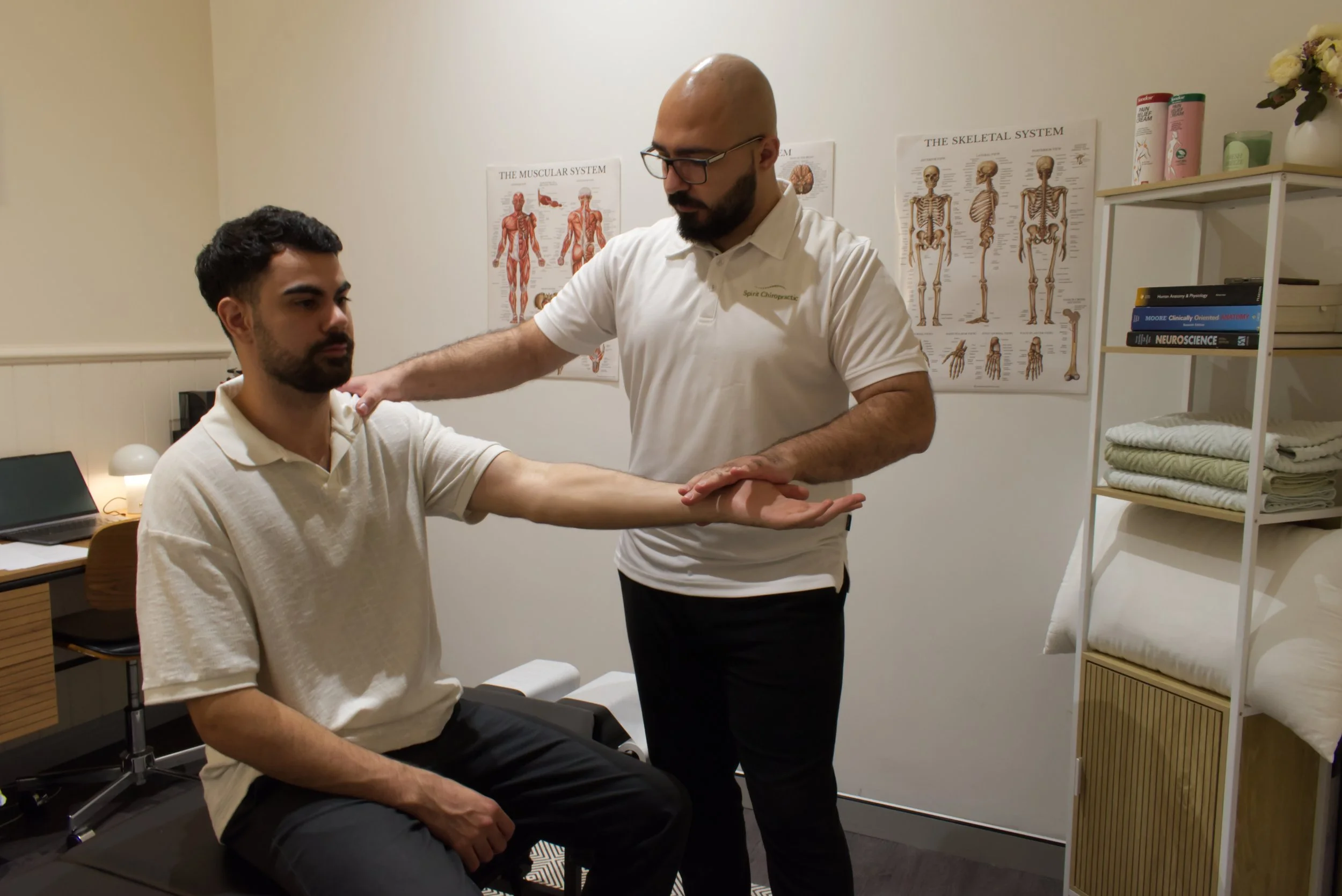
We assess how your thoracic spine moves — flexion, extension, rotation — and evaluate rib mobility. This helps identify stiff joints, irritated structures, or movement restrictions.
Postural & Functional Assessment
We observe your posture in sitting and standing, assess scapular control, and evaluate how your mid‑back behaves during everyday movements.
Orthopaedic Examination
Specific tests help determine whether joints, discs, ligaments, or muscles are contributing to your symptoms. You’ll be guided through each step with clear explanations.
Neurological Screening (if indicated)
We check sensation, reflexes, and nerve tension if symptoms suggest nerve involvement.
Breathing Pattern Assessment
Thoracic pain often changes how people breathe. We assess rib expansion, diaphragm use, and upper‑chest breathing patterns.

How Can Chiropractic Care Help You?
Chiropractic management focuses on reducing mechanical contributors, improving movement, and restoring normal function of the thoracic spine and rib cage. Treatment is always tailored to your presentation and based on current guidelines.
Chiropractic Care May Include:
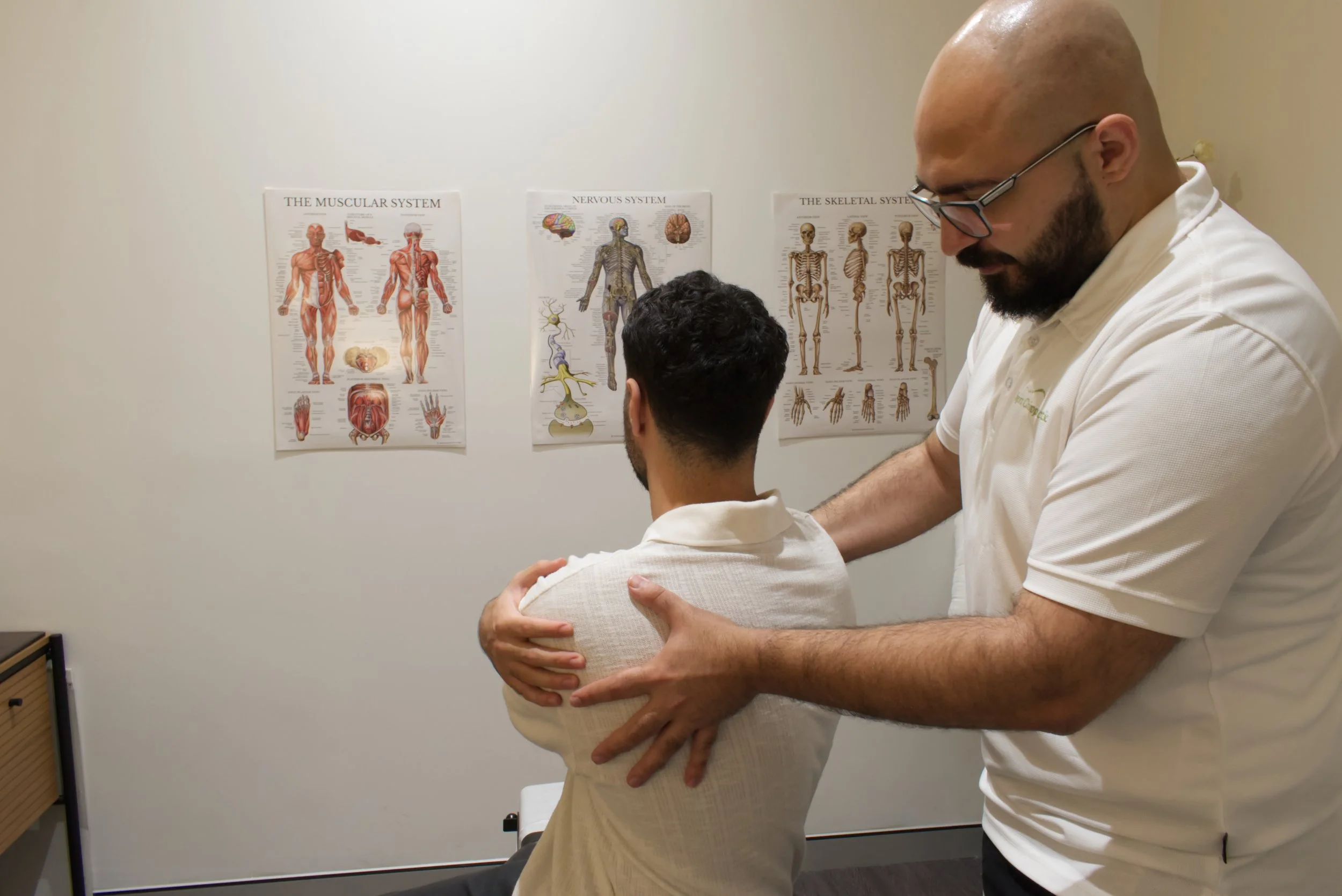
Thoracic spinal mobilization (gentle, low‑force techniques to restore movement)
Spinal adjustments (HVLA) for joint restriction
Rib mobilization for breathing‑related pain
PIR & PNF muscle release techniques to reduce tension and improve mobility
Soft‑tissue therapy for overloaded muscles
Postural and ergonomic strategies
Rehabilitation training (scapular control, thoracic mobility, postural strength)
Education on triggers and self‑management
Thoracic Spine Adjustment
-
Boyles RE, Ritland BM, Miracle BM, Barclay DM, Faul MS, Moore JH, et al. The short‑term effects of thoracic spine thrust manipulation on patients with shoulder impingement syndrome. Man Ther. 2009;14(4):375‑80.
Bussières AE, Stewart G, Al‑Zoubi F, Decina P, Descarreaux M, Haskett D, et al. Spinal manipulative therapy and other conservative treatments for low back pain: a guideline from the Canadian Chiropractic Guideline Initiative. J Manipulative Physiol Ther. 2018;41(4):265‑93.
Bussières AE, Taylor JA, Peterson C. Diagnostic imaging practice guidelines for musculoskeletal complaints in adults—Part 3: spinal disorders. J Manipulative Physiol Ther. 2008;31(1):33‑88.
Cleland JA, Childs JD, Fritz JM, Whitman JM. Interventions that increase thoracic spine mobility: a systematic review. J Back Musculoskelet Rehabil. 2007;20(1):19‑27.
Fernández‑de‑Las‑Peñas C, Cleland JA, Huijbregts P.Neck and Arm Pain Syndromes: Evidence‑Informed Screening, Diagnosis and Management. Edinburgh: Elsevier; 2011.
Heneghan NR, Rushton A. Thoracic spine dysfunction in musculoskeletal practice: a survey of current assessment and management. Man Ther. 2014;19(5):394‑9.
Maitland GD, Hengeveld E, Banks K, English K.Maitland’s Vertebral Manipulation. 7th ed. Oxford: Butterworth‑Heinemann; 2005.
McDevitt AW, Young J, Mintken PE, Cleland JA. Regional interdependence and manual therapy directed at the thoracic spine. J Man Manip Ther. 2015;23(3):139‑46.
Qaseem A, Wilt TJ, McLean RM, Forciea MA; Clinical Guidelines Committee of the American College of Physicians. Noninvasive treatments for acute, subacute, and chronic low back pain: a clinical practice guideline. Ann Intern Med. 2017;166(7):514‑30.
Strunce JB, Walker MJ, Boyles RE, Young BA. The immediate effects of thoracic spine and rib manipulation on subjects with primary complaints of shoulder pain. J Man Manip Ther. 2009;17(4):230‑6.
Young JL, Walker MJ, Strunce JB, Boyles RE. Thoracic spine thrust manipulation for the management of patients with neck pain: a randomized clinical trial. J Orthop Sports Phys Ther. 2009;39(1):5‑18.
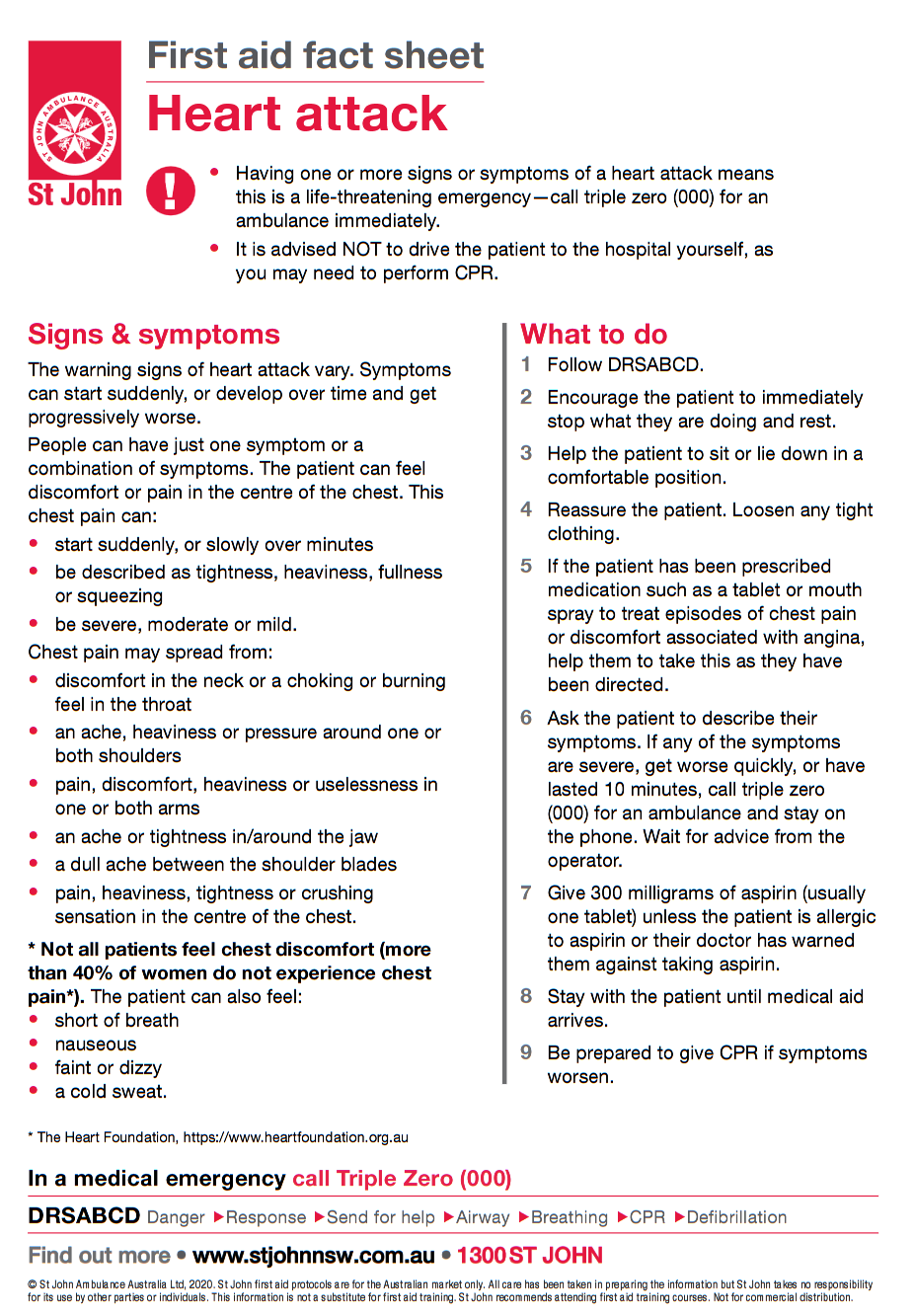
EMERGENCY SIGNS
General symptoms
The warning signs of heart attack vary. Symptoms can start suddenly, or develop over time and get progressively worse. People can have just one symptom or a combination of symptoms. The patient can feel discomfort or pain in the centre of the chest.
This chest pain can:
Start suddenly, or slowly over minutes
Be described as tightness, heaviness, fullness or squeezing
Be severe, moderate or mild
Chest pain may spread from:
Discomfort in the neck or a choking or burning feel in the throat
An ache, heaviness or pressure around one or both shoulders
Pain, discomfort, heaviness or uselessness in one or both arms
An ache or tightness in/around the jaw
A dull ache between the shoulder blades
Pain, heaviness, tightness or crushing
For more information visit: First aid fact sheet on Heart attack